How to Choose a Waste Management Provider for Flo Tube Disposal
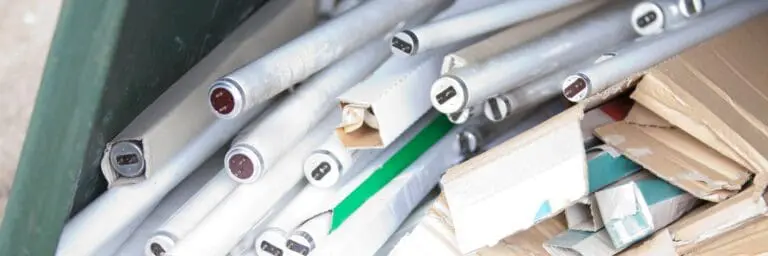
At HAZ TECH, we understand the importance of proper fluorescent tube disposal for the environment.
A Case Study in Safe Segregation, Isolation, Storage, and ADR Transport for Full U.K. Recycling of Batteries
Battery collection and subsequent battery recycling are critical components of waste management, especially in sectors that produce significant quantities of hazardous materials, such as healthcare.
A Devon Hospital, which is a prominent healthcare facility in the U.K., generates several tonnes of scrap batteries every quarter. These batteries, primarily low-voltage lithium derivatives, present unique challenges due to their hazardous nature.
Effective recycling requires meticulous sorting, segregation, storage, and adherence to ADR (European Agreement concerning the International Carriage of Dangerous Goods by Road) regulations for safe transportation.
This case study demonstrates how our team successfully managed the battery collection and recycling process at this hospital, ensuring compliance with all safety standards and optimising cost efficiency.
More often than not, battery labelling at the point of manufacture is poor. This makes it difficult for anyone other than skilled personnel to identify the battery chemistry in the first instance, which often means batteries of all chemistries need to be deposited in one container by hospital staff.
As the Hospital’s diverse battery usage leads to a variety of battery chemistries, each with its own recycling requirements, HAZ TECH’s primary challenge was the safe identification, segregation, and packaging of these batteries to prevent any risk of short-circuiting, leakage, or fire during storage and transport.
The first step in the recycling process was to conduct a thorough on-site sorting of the batteries. Given the wide range of battery chemistries, including lithium-ion, nickel-cadmium, and alkaline, it was crucial to identify each type accurately.
Our team employed advanced identification techniques to differentiate between the chemistries, ensuring that each battery was correctly categorized.
Once identified, the batteries were segregated according to their type. This segregation is vital because mixing different chemistries can lead to dangerous reactions, especially in high-temperature or high-humidity environments.
The batteries were separated into distinct groups, each destined for a specific recycling process tailored to its chemical composition.
Safe Packaging for Storage and Transport:
After sorting and segregation, the batteries needed to be safely packaged to prepare them for storage and ADR-compliant transport. The battery terminals were meticulously taped to prevent any potential short-circuits. This step is critical in preventing accidental discharges, which could lead to overheating or fire.
The batteries were then placed in lined 205-litre U.N.-approved barrels. These barrels are specifically designed to handle hazardous materials and are crucial in preventing leaks or spills during transport. The lining provides an additional layer of protection against any chemical leakage that might occur.
To further mitigate the risk of fire, the batteries were layered in vermiculite within the barrels. Vermiculite is a fire-retardant material that provides insulation and prevents the batteries from coming into contact with each other, reducing the risk of sparks or thermal runaway—a condition where a battery rapidly overheats and can lead to combustion.
Compliance with ADR Regulations:
Transportation of hazardous materials, such as batteries, requires strict adherence to ADR regulations. These regulations govern the safe transport of dangerous goods by road in the UK and across Europe. Our team ensured that all packaging met ADR requirements, including proper labelling, documentation, and use of certified containers.
Each barrel was clearly labelled with the appropriate hazard symbols and information, ensuring that anyone handling the barrels would be aware of the contents and associated risks. The documentation provided detailed information on the battery chemistries, quantities, and the precautions taken during packaging.
The transportation process was coordinated with ADR-certified carriers, who are trained in handling hazardous materials. This ensured that the batteries were transported safely to the recycling facility, minimising the risk of accidents during transit.
One of the key objectives of the project was to minimize costs while ensuring the highest safety standards. By conducting the sorting, segregation, and packaging on-site, we were able to reduce the number of transport trips required, thus lowering overall costs.
Additionally, the use of vermiculite and U.N. approved barrels, while initially more expensive, provided long-term savings by reducing the risk of accidents and ensuring compliance with all safety regulations.
Environmentally, the project had a significant positive impact. Proper recycling of the batteries ensures that hazardous materials are not released into the environment, reducing pollution and conserving natural resources.
The segregation of different battery chemistries also allows for more efficient battery recycling processes, where materials can be recovered and reused, further contributing to environmental sustainability, and U.K only recycling retains precious commodities within the U.K.
The successful battery collection and recycling project at this hospital highlights the importance of meticulous sorting, segregation, and adherence to safety regulations in handling hazardous waste.
By employing a rigorous process for identifying, packaging, and transporting the batteries, our team was able to ensure the safety of hospital staff, transport personnel, and the environment.
This case study serves as a model for other healthcare facilities looking to implement or improve their battery recycling programs, demonstrating that with the right approach, it is possible to achieve both cost efficiency and high safety standards in the management of hazardous waste.
If you’d like a quote for battery collection, and recycling please contact HAZ TECH today.
At HAZ TECH, we understand the importance of proper fluorescent tube disposal for the environment.
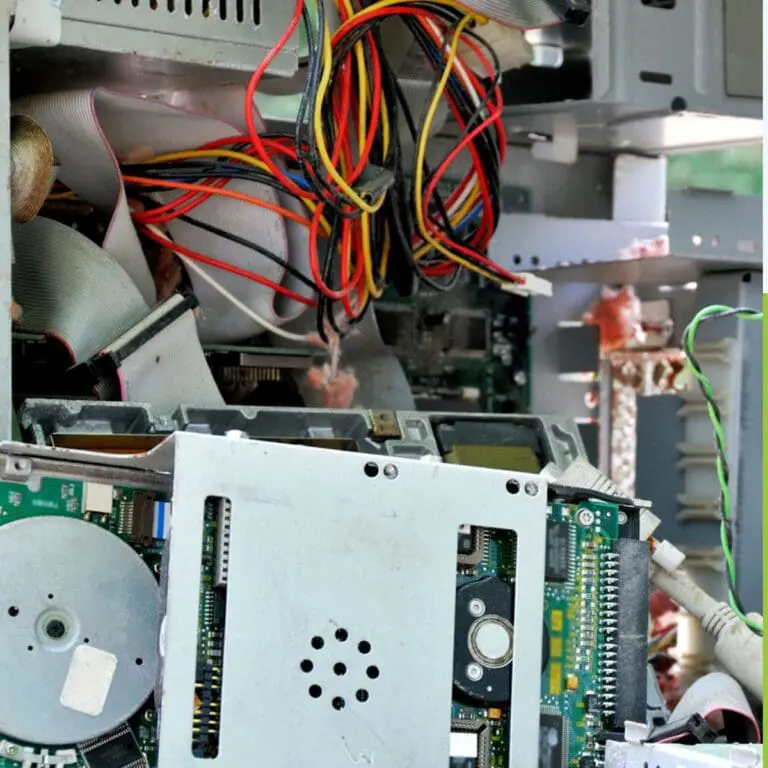
At HAZ TECH, we understand that not everyone knows how to get rid of old computers. We can provide all aspects of this including data cleaning.
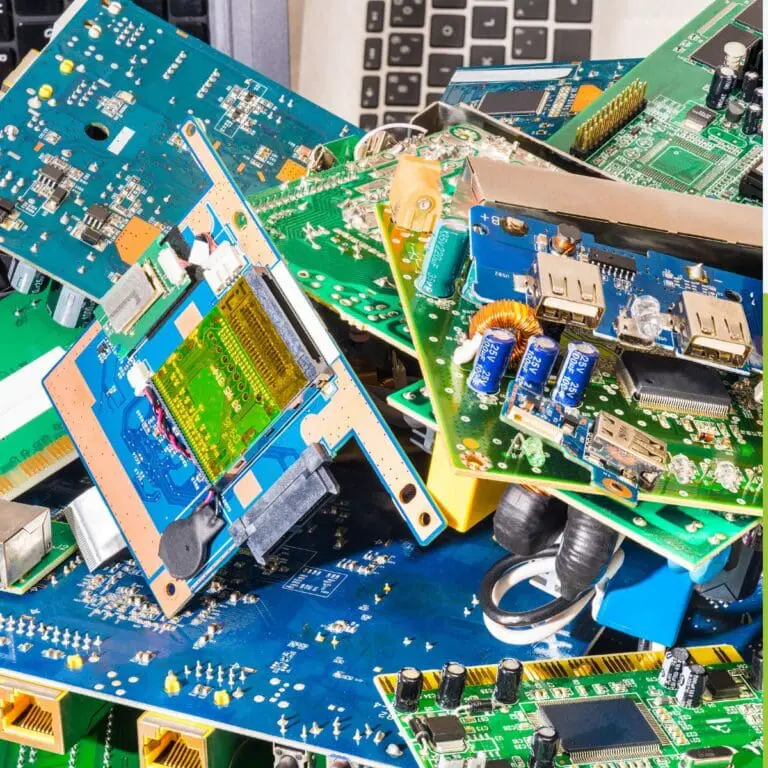
At HAZ TECH, we understand the importance of the safe disposal of laptops. We can provide all aspects of this including data cleaning.
AATF Address: HAZ TECH, Ascot C, Sheardley Lane Droxford, Hants, SO32 3QY.
Office Address: HAZ TECH, 2A Station Approach, North St, Emsworth. Hants PO10 7PW
Call us on 03309 120011
Registered in Scotland. Registered office:
Clyde Offices, 2nd Floor, 48 West George Street, Glasgow, G2 1BP
Registered Company Number: SC620436