Sustainable Hazardous Waste Removal and Portakabin Deconstruction at Hampshire Police Training Centre Netley

Introduction

In this case study, we delve into the successful execution of a complex project involving safe and compliant  hazardous waste removal and the deconstruction of Portakabin ISO containers at the Hampshire Police Training Centre Netley.

The project demanded meticulous planning, adherence to strict environmental regulations, and seamless collaboration with key waste management partners. The removal of 15 tons of material with a zero-to-landfill commitment further underscored the project’s sustainability and responsible waste management practices.

Project Overview

The Hampshire Police Training Centre Netley is a live site with sensitive materials and active personnel. The challenge was to remove hazardous waste and deconstruct Portakabin ISO containers without disrupting ongoing operations or endangering the safety of personnel. The project was driven by the dual objectives of ensuring site safety and environmental responsibility.

Challenges Faced

  1. Sensitive Environment: Operating within alive police training centre required utmost sensitivity and adherence to security protocol
  2. Compliance: The project had to comply with rigorous environmental regulations governing the removal and disposal of hazardous waste.
  3. Safety: Ensuring the safety of all personnel involved, as well as the preservation of the structural integrity of the site, was a paramount concern.
  4. Zero-to-Landfill Commitment: Achieving zero landfill waste amid substantial material removal posed a unique challenge in terms of waste segregation and recycling.
 

Strategy and Execution

To overcome the challenges of hazardous waste removal and achieve project success, the following steps were taken:

  1. Comprehensive Planning: A detailed project plan was developed, accounting for site-specific requirements, safety measures, waste removal protocols, and collaboration with relevant partners.
  2. Collaboration: Partnerships were established with industry leaders, Suez and EMR, for waste and recycling services. Their expertise in waste management and recycling played a crucial role in the project’s success.
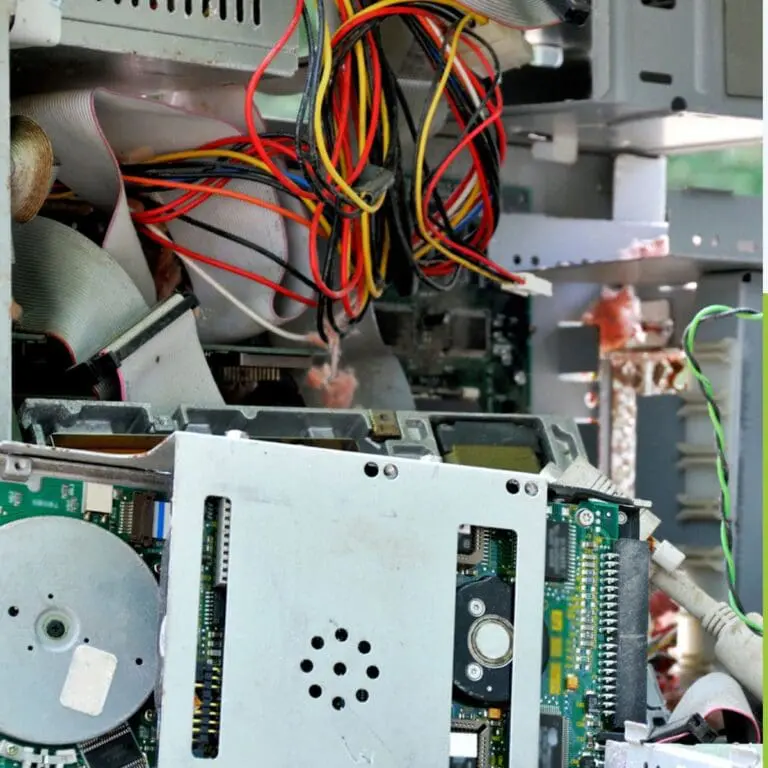
  3. Waste Segregation: Advanced waste segregation practices were implemented on-site to ensure the proper categorisation of hazardous and non-hazardous materials. This allowed for effective recycling and disposal.
  4. Security Protocols: Strict security protocols were followed to ensure the safety and privacy of sensitive materials, in alignment with the live police training environment.
  5. Personnel Training: All personnel involved underwent specialized training to handle hazardous waste and execute the deconstruction process safely.
  6. Continuous Monitoring: Throughout the project, regular monitoring and quality checks were conducted to ensure compliance with environmental regulations and safety standards.

Results

The successful implementation of the project yielded the following outcomes:

  1.  Zero-to-Landfill Achievement: Through meticulous waste segregation, recycling, and collaboration with waste management partners, 100% of the removed materials were recycled, achieving the project’s zero-to-landfill commitment.
  2. Safety and Security: The project was executed without any incidents or disruptions to ongoing site activities, thereby ensuring the safety of personnel and site integrity.
  3. Environmental Compliance: The project adhered to all relevant environmental regulations, demonstrating a commitment to responsible waste management practices.
  4. Positive Stakeholder Impact: The project’s success fostered positive relationships with stakeholders, including Hampshire Police and the local community, by showcasing sustainable and conscientious practices.

Conclusion

The Hampshire Police Training Centre Netley project exemplifies how strategic planning, collaboration with industry partners, and commitment to environmental responsibility can lead to the successful removal of hazardous waste and deconstruction of sensitive structures.

By achieving a zero-to-landfill outcome and prioritizing safety and compliance, this case study stands as a testament to the possibilities of executing complex projects while upholding sustainable and ethical practices.

Other News

Get a quote

Fill out the form below, and we will be in touch shortly.